
DSE Steve M. Blog (1).png

The Future Is Built on the Past

Many newcomers to Dripping Springs do not realize the rich and complicated role this sleepy little town has played in the history of Central Texas. Long considered the “Gateway to the Hill Country,” Dripping Springs has had its share of fame, notoriety, booms, and busts over time.

Prior to 1872, raids by local Tonkawa Indian residents were common, and the area where water seeped from limestone bluffs into thick forests of ferns served as a gathering place for local tribes.

In 1857, the local town was granted a post office but needed a name. Nannie Moss, the wife of postmaster John Moss, proposed the official name of the Milk House Branch of the Edwards Aquifer—thus, Dripping Springs was born.

The City of Dripping Springs has dedicated time, energy and resources into preserving the iconic buildings that are spread throughout the small downtown area and within the 3 designated Historic Districts.

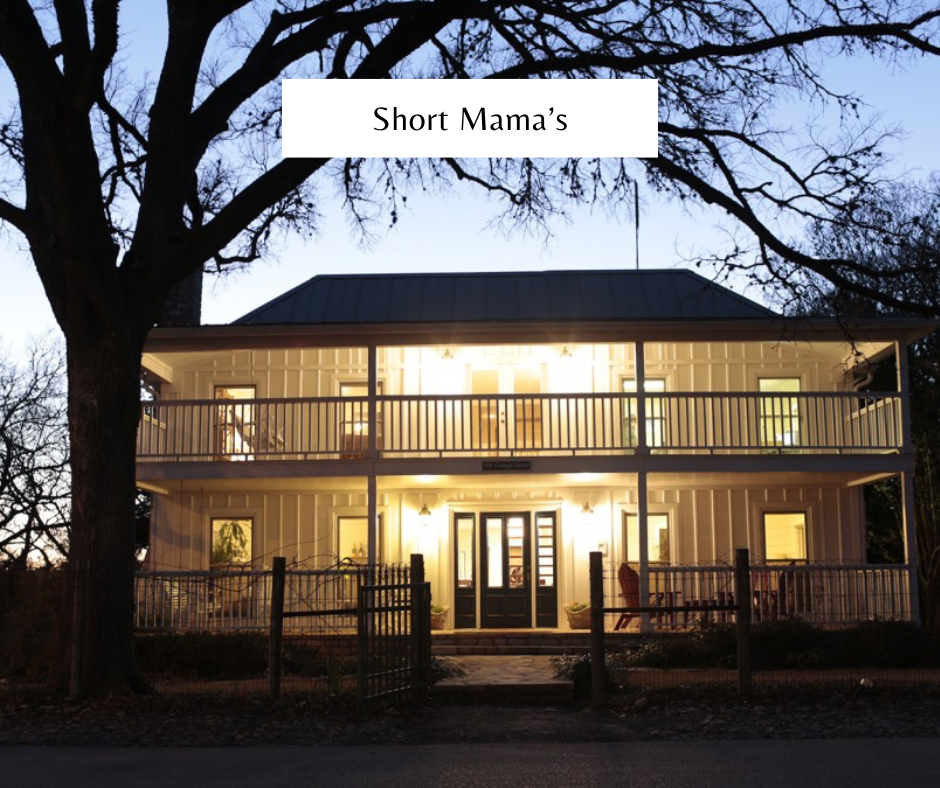
Construction is currently underway at “Short Mama’s House” at 101 College Street. What began as a small home and later became a hotel known locally as the Lou Breed Boarding House is now being transformed into an upscale restaurant, all while preserving the building’s history and original character. (Check out this video our team did several years ago!)
2.png

Across Highway 290, at the corner of Bluff Street and Hays Street, sits a charming two-story home: the Dr. Harrison House at 200 Bluff Street. Considered one of the oldest and most historic sites in Dripping Springs, the home has housed many doctors over the years. Dating back to 1883, it has served as a residence, doctor’s office, operating room, and more recently, a short-term rental. The property is currently for sale, awaiting its next steward to restore her to the glory days as the mansion of Dripping Springs.

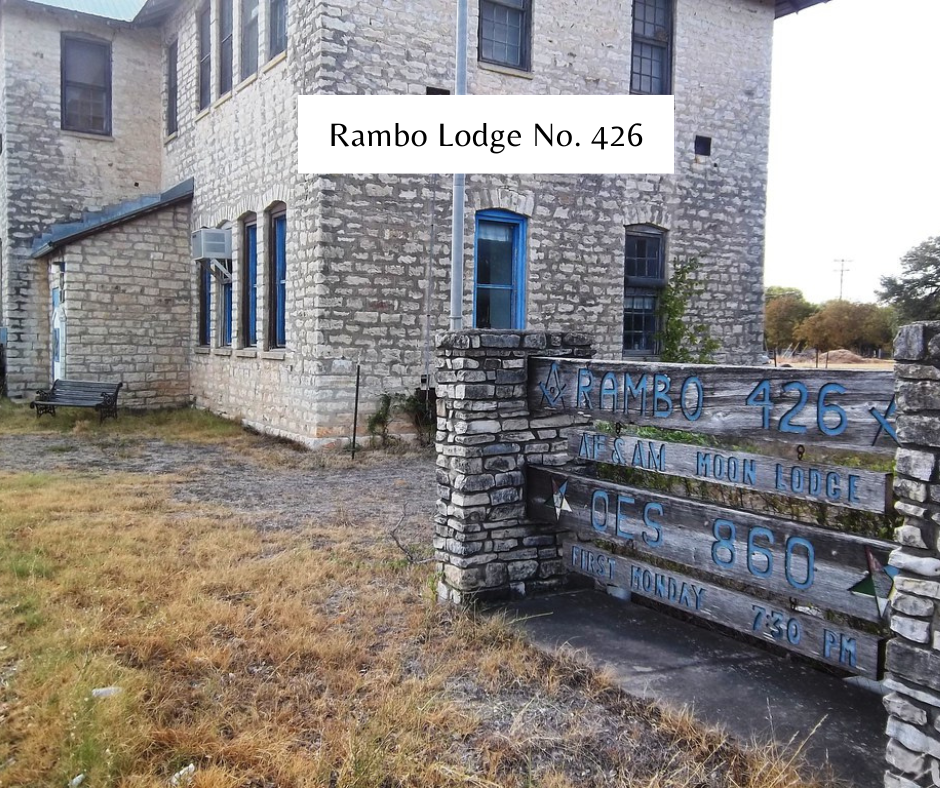
The Dripping Springs Academy building, founded as a private school in 1881, is one of the town’s most prominent and significant structures. Located at the intersection of Mercer Street and Old Fitzhugh Road, it was dedicated as a State Historical Landmark in 1968 and became home to a Masonic Lodge in 1952. Local lore tells of a mischievous student who once pulled a cow up the stairs into a second-story classroom, much to the frustration of a rancher who learned firsthand that cows will go up stairs but absolutely refuse to come down.

3.png

Over the years, as cattle and sheep ranchers, cotton growers, and stone masons have given way to subdivisions, large chain stores, and fast-food restaurants, Dripping Springs residents have continued to cling to the friendly yet independent spirit that birthed the town more than 160 years ago. The influence of the craftsmen who built many of the structures along Mercer Street and Old Fitzhugh Road can still be seen today. And while Dripping Springs continues to expand at a rapid rate, many residents, young and old, remain firmly rooted in the foundation laid by the settlers and ranchers who shaped one of Texas’s most interesting towns. It’s a heritage worth preserving so future generations know what came before them.

Interested in learning more or taking a self-guided tour? Here's a brochure of historical facts and sites.

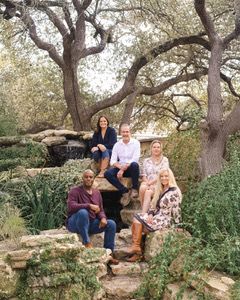
Steve Mallett currently serves as President of DS Elite and is Broker Associate of Mallett Integrity Team , Keller Williams.

Mallett Team-10_websize.jpeg